Fraud Awareness Research Guide Is This Number a Scam Explaining Caller Authenticity Queries

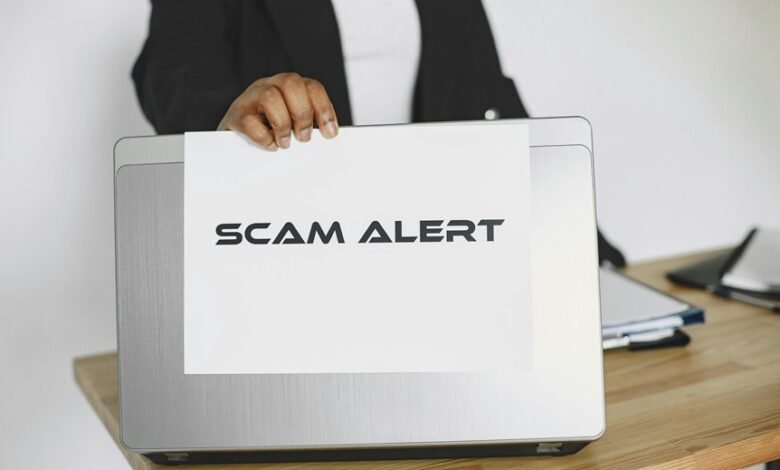
The guide frames “Is This Number a Scam” as a structured problem in caller authenticity. It advocates disciplined, evidence-based checks and independent verification beyond the caller’s claims. Red flags are catalogued, with emphasis on urgency, vagueness, and inconsistent data. The approach favors concise scam audits and cross-checking against authoritative sources. Yet questions remain about the completeness of its databases and the practical limits of verification, leaving readers with a cautious, persistent curiosity to pursue further verification steps.
What Is “Is This Number a Scam” and Why It Matters
Is this number a scam? The phrase signals a defensive mindset: a prompt to scrutinize unfamiliar calls and sources. It frames risk as measurable, urging methodical evaluation rather than fear. Evidence-based caution supports scam awareness and caller verification, reducing manipulation. By prioritizing verifiable details, individuals preserve autonomy while diminishing exposure to deceptive tactics and inaccurate claims.
Quick Caller Authenticity Checks You Can Do Today
Quick Caller Authenticity Checks You Can Do Today: Start by confirming the caller’s number and any claimed organization via independent sources, such as official websites or published contact directories, rather than relying on the information supplied during the call. This is a disciplined, evidence-based approach, promoting a clearer is this number assessment and a concise scam audit without guessing or anecdotes.
Red Flags, Common Tricks, and How Scammers Operate
Red flags often surface through patterns that recur across scams, and recognizing them requires a disciplined, evidence-based lens. The analysis uncovers sustained deception tactics: urgent requests, vague identifiers, unsolicited caller details, and inconsistent record prompts.
This is this number scam typically exploits fear and authority to coerce compliance. Observers assess caller authenticity with restraint, cross-checking sources before engagement, avoiding credulity.
Verification Steps and Trusted Resources to Confirm Legitimacy
Verification steps for confirming caller legitimacy are outlined through a structured, evidence-based approach that builds on the identified red flags. Verification resources and trust signals are evaluated objectively to determine is this number a scam. The discussion emphasizes caller authenticity, scam awareness, and verification steps, offering precise checks, credible sources, and cautious interpretation to maintain individual freedom while reducing manipulation risks.
Conclusion
In sum, “Is This Number a Scam” threads a careful needle between skepticism and civic prudence. The guide treats every call as a potential ruse, insisting on corroborated data from independent records, not on-the-spot assurances. Its method—flagging urgency, vagueness, and inconsistencies—acts like a scavenger with a precise map, filtering noise from truth. The result is a disciplined, evidence-based habit: auditable, verifiable, and resilient against manipulation, preserving autonomy in an increasingly crowded telephone frontier.