Health Concern Discovery Guide Is Qellziswuhculo Bad Explaining Medical Curiosity Searches

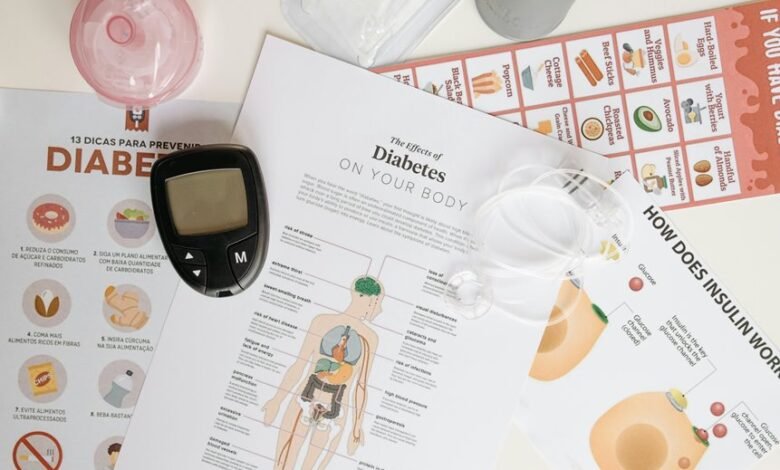
The health concern discovery guide often conflates legitimate symptom evaluation with alarmist or vague inquiries, reducing useful inquiry to fear-driven testing. A sound approach emphasizes evidence, context, and patient autonomy while distinguishing meaningful risks from noise. This balance matters because poor explanations can drive unnecessary procedures and anxiety. Evaluating sources for quality and red flags matters. The distinction between helpful curiosity and provocative speculation leaves readers with a practical path forward and a reason to examine underlying assumptions.
What Is Health Concern Discovery and Why It Matters
Health concern discovery is the process of identifying and evaluating potential health-related issues that may warrant further investigation. This practice supports informed decision-making by separating plausible risks from noise. The concept hinges on evidence, context, and patient autonomy. It clarifies how medical curiosity can drive legitimate inquiry, guiding resources and actions toward meaningful, proportional responses to health concerns.
How to Identify When a Medical Curiosity Helps or Hurts
Medical curiosity can guide productive inquiry when it is grounded in relevance, evidence, and proportionality, and it can cause harm when it pursues vague concerns, misinterprets uncertainty, or leads to unnecessary testing. Distinguishing helps: relevance to symptoms or risk, evidence quality, and risk-benefit balance. For health concerns, disciplined medical curiosity promotes informed questions, while unfocused probing risks anxiety, false reassurance, and wasted resources in health care.
Evaluating Sources: Where to Look and What to Avoid
Evaluating sources requires a structured approach to distinguish reliable information from misleading or biased content.
The process emphasizes sources selection, prioritizing peer-reviewed or primary materials, and cross-checking claims against evidence strength.
Readers should note topic gaps, examine methodology, and maintain bias awareness, avoiding sensational sites.
This disciplined scrutiny supports freedom by empowering informed, independent judgments without rush or unsupported conclusions.
Red Flags That Should Prompt Professional Care
Factors indicating when professional care is warranted include the sudden onset or worsening of symptoms, signs of organ dysfunction, and conditions associated with high risk of rapid deterioration. The discussion distinguishes Curiosity vs. caution, emphasizing timely escalation when red flags appear. Source reliability is essential; seek trusted, corroborated reports. Prompt professional evaluation mitigates harm, guiding accurate diagnosis and evidence-based management for safety and autonomy.
Conclusion
In a third-person, detached tone, the guide offers a cautionary arc, like a lighthouse wavering before a reef. It hints that curiosity, if unfocused, can mislead—yet disciplined inquiry steadies the ship, pointing toward trusted sources and professional evaluation. By weighing evidence, recognizing red flags, and choosing proportionate action, readers glimpse a horizon where informed choices replace fear. The beacon remains: question rigorously, verify sources, and seek expert guidance when risks appear real.