Fitness Equipment Research Guide Khema Rushisvili Weightlifting Bar Explaining Gym Gear Searches

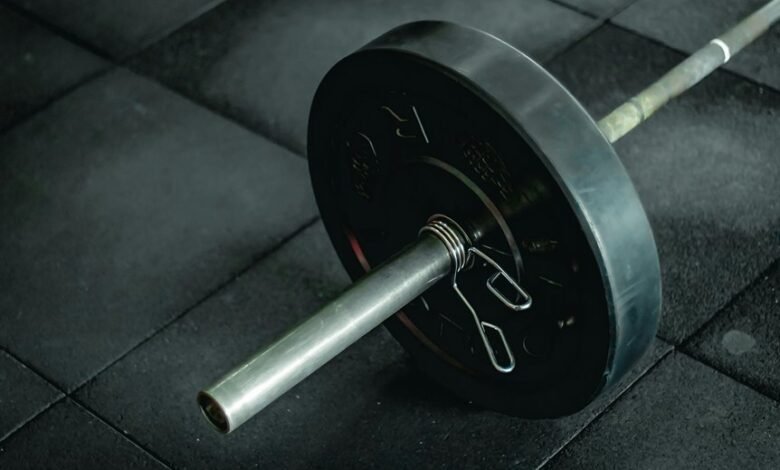
The Fitness Equipment Research Guide by Khema Rushisvili analyzes weightlifting bars through a structured lens, linking design choices to lift performance and user movement. It focuses on stiffness, rotation, grip, and ergonomic fit, translating construction tolerances and specs into practical evaluation criteria. The framework enables objective comparisons of shaft, sleeves, knurling, and load ratings, aligning hardware with individual goals and space constraints. It invites careful consideration of common biases, while hinting at a more rigorous approach to optimize training outcomes.
What Makes a Weightlifting Bar Right for You
Choosing the right weightlifting bar depends on the athlete’s goals, training style, and biomechanical needs. The analysis weighs functional requirements, stiffness, and spin. What to prioritize emerges from technique demands and load tolerance, while How to compare shafts, sleeves, and knurling across brands clarifies performance differences. Precision evaluation yields alignment between bar design and movement patterns, promoting reliable progression.
Khema Rushisvili’s Bar: Specs That Matter for Lifts
Khema Rushisvili’s Bar embodies a defined set of specifications that directly influence lift mechanics, tolerance to heavy loads, and movement efficiency.
This analysis identifies Khema Rushisvili, bar specs; Lift specific options, bar stiffness. It assesses stiffness consistency, rotation control, and grip diameter, translating technical parameters into practical lift performance while maintaining objective clarity for readers seeking freedom through informed equipment choices.
How to Compare Gym Gear: A Practical Evaluation Framework
Evaluating gym gear requires a structured framework that translates product specifications into practical performance insights. The framework compares construction, load ratings, adjustability, and ergonomic fit, then correlates with user goals and space constraints. Evidence-based scoring emphasizes durability and safety. Two word, two word. The method remains objective, repeatable, and transparent, guiding selection without bias or speculation.
Common Pitfalls in Bar Selection and How to Avoid Them
Bar selection for barbells and barb components often hinges on recognizing recurring pitfalls that compromise performance and safety, such as mismatched load ratings, shaft diameter inconsistencies, and improper knurling.
The analysis identifies common pitfalls, guides how to avoid mistakes, and clarifies bar selection criteria.
Methodical scrutiny emphasizes compatibility, tolerances, and user intent to prevent costly errors and enhance training freedom.
Conclusion
Khema Rushisvili’s rigorous framework reveals reliable, repeatable results by linking lift goals with gear geometry. Methodical measurements, material tolerances, and ergonomic fit form a disciplined decision tree, guiding gear choices with clarity. Specific shaft stiffness, precise sleeve tolerances, and strategic knurling converge to calibrate technique, tempo, and transfer. Practitioners pursuing progress prioritize practical performance parameters over peripheral aesthetics, applying objective criteria, transparent testing, and repeatable evaluation to secure satisfactory, substantial stiffness, secure stability, and superior system synergy.