Food Safety Question Guide How Jisbeinierogi Harmful Explaining Ingredient Concerns

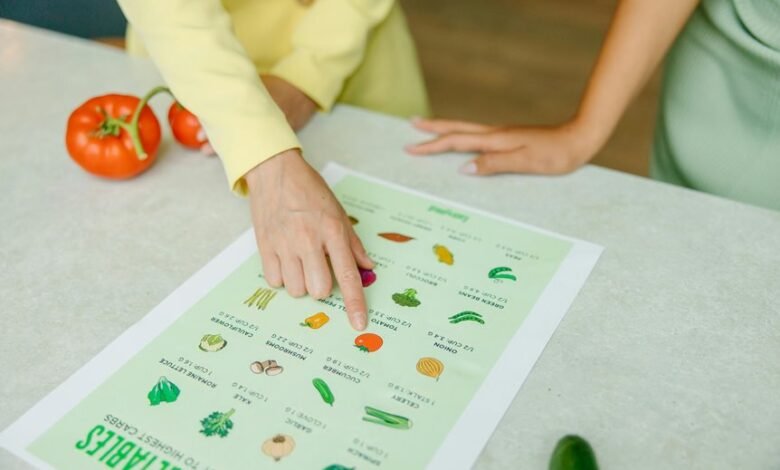
This guide introduces food safety concerns related to Jisbeinierogi, focusing on how unclear ingredient lists can signal potential harm. It notes that vague terms like “natural flavors” or proprietary blends may obscure allergens or additives. The approach emphasizes clear labeling, allergen disclosure, proper storage, and explicit ingredients. By outlining red flags and validation steps, it aims to support safer choices and regulatory compliance, leaving readers with a practical reason to continue examining how ingredient concerns affect safety.
What Jisbeinierogi Is and Why Safety Labeling Matters
Jisbeinierogi refers to a type of dumpling product whose safety and labeling requirements are governed by food regulation standards. The entity is defined to ensure consistent quality controls and traceability. What jisbeinierogi entails includes ingredient disclosure and hazard prevention. Safety labeling informs consumers about allergens, storage, and handling. Compliance safeguards public trust and supports informed choices under applicable regulatory frameworks.
How to Spot Common Ingredient Red Flags in Lists
Spotting common ingredient red flags in lists is essential for evaluating product safety and compliance. The detached reviewer notes vague terms, unusual sequences, and unnamed “natural flavors” that may conceal additives. Awareness includes recognizing dangerous additives and mislabeling risks, especially in multi-ingredient items. Caution is advised when proprietary blends obscure quantities, while確認 labeling integrity supports informed choices and freedom to demand transparency.
Practical Steps to Prep, Store, and Cook Safely
Avoiding ambiguities in ingredient lists lays groundwork for safer handling later in the food preparation process. Practical steps govern prep, storage, and cooking with attention to temperature, hygiene, and cross-contamination risks. Clear workflows reduce error potential and support confident choices. Safety labeling standards guide labeling practices, expiration checks, and storage instructions, enabling informed decisions while maintaining personal freedom and communal trust in safe culinary habits.
Understanding Labels, Claims, and When to Seek Guidance
Understanding labels, claims, and when to seek guidance is essential for making informed decisions about food safety. The discussion remains in a detached tone, presenting cautious facts. It explains what jisbeinierogi is and why safety labeling matters, clarifying how labels influence choices. Readers learn to assess claims, understand terminology, and seek guidance when uncertainty arises, preserving personal autonomy and well-being.
Conclusion
In a distant pantry, a careful mapmaker charts a village of ingredients. Clear labels are lanterns; vague “natural flavors” are fog creeping along the shelves. Hidden blends and odd sequence spells misdirection, masking allergens like shadows. The mapmaker insists on explicit lists, honest storage notes, and truthful claims. When doubt lingers, travelers seek guidance from trusted guides. Only with transparency, caution, and informed choices can the market remain safe for every wary diner.