Academic Study Insight Hub Histologi Explaining Histology Related Search Queries

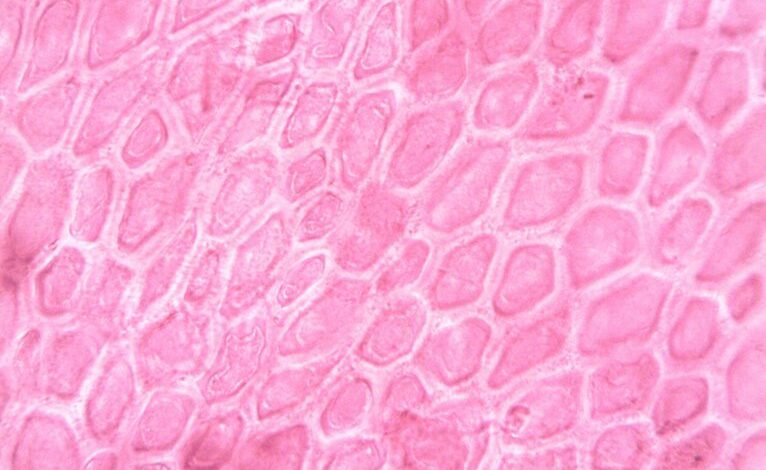
Academic Study Insight Hub Histologi provides a clear framework for explaining histology-related search queries. It links stains to tissue components, outlines core tissue types, and stresses structure–function relationships. The approach centers on practical observation, consistent terminology, and concise summaries. Learners gain step-by-step methods to decode questions and synthesize evidence under exam conditions. The result is a transferable reasoning toolkit, with visual cues to aid recall, leaving readers poised to apply these principles to their next challenge.
What Histology Basics Do You Need to Know First
Histology is the study of tissues at the microscopic level, and grasping its basics sets the foundation for more advanced analysis. The focus is on core concepts, definitions, and practical frameworks that organize observation, terminology, and interpretation. Histology basics emphasize structure-function relationships, tissue types, and essential techniques. Exam ready notes distill these elements into concise, actionable guidance for confident review and recall.
How to Decode Common Histology Stains and What They Reveal
Stains are the primary tools for revealing tissue components under microscopy, turning subtle differences in color and intensity into identifiable structures. This section outlines how to decode common histology stains and what they reveal, enabling readers to recognize key tissue features. The approach emphasizes consistent interpretation, linking stain properties to cellular components, and noting when results illuminate tissue reveals rather than obscure it.
Which Tissue Types Do Histology Questions Most Often Focus On
In histology-focused questions, examiners most often center on tissues that reveal classic structural features and abundant, easily distinguishable components. This pattern highlights epithelial, connective, muscular, and nervous tissues, along with specialized organs. The emphasis demonstrates histology question patterns and tissue focus fluency, guiding learners toward core distinctions, diagnostic cues, and reproducible reasoning without extraneous details.
How to Turn Scattered Histology Snippets Into Exam-Ready Knowledge
Scattered histology snippets can hinder retrieval during exams, so a structured approach is needed to convert fragmentary notes into durable, exam-ready knowledge.
The method emphasizes organizing scattered snippets, aligning histology stains with tissue types, and building quick-reference summaries.
Students synthesize core concepts, create concise diagrams, and practice recall, ensuring exam readiness while preserving freedom to explore nuanced tissue distinctions.
Conclusion
In summary, histology mastery hinges on clarity, method, and connection. By decoding stains, recognizing tissue types, and translating microscopic cues into functional insights, students transform fragments into a coherent diagnostic framework. The study habit, like a well-tuned instrument, harmonizes observation with evidence, turning scattered notes into exam-ready evidence. This disciplined approach serves as a compass, guiding learners through complex cellular landscapes toward confident, precise reasoning. A lantern in tissue’s quiet night.